Will AI Find the Best Candidate?
Human intuition at work, its end.
Human intuition has been a major factor for many years now while recruiting employees. Recruiters look at a piece of paper, conduct a 45-minute conversation, and make a gut-feeling decision about whether a candidate will succeed in a highly complex corporate environment. It's really bad at that point with a lot of churns as well as lost prospects. Artificial intelligence can solve it now. However, what is more important are we sure that a machine could ever come up with "the best" choice.
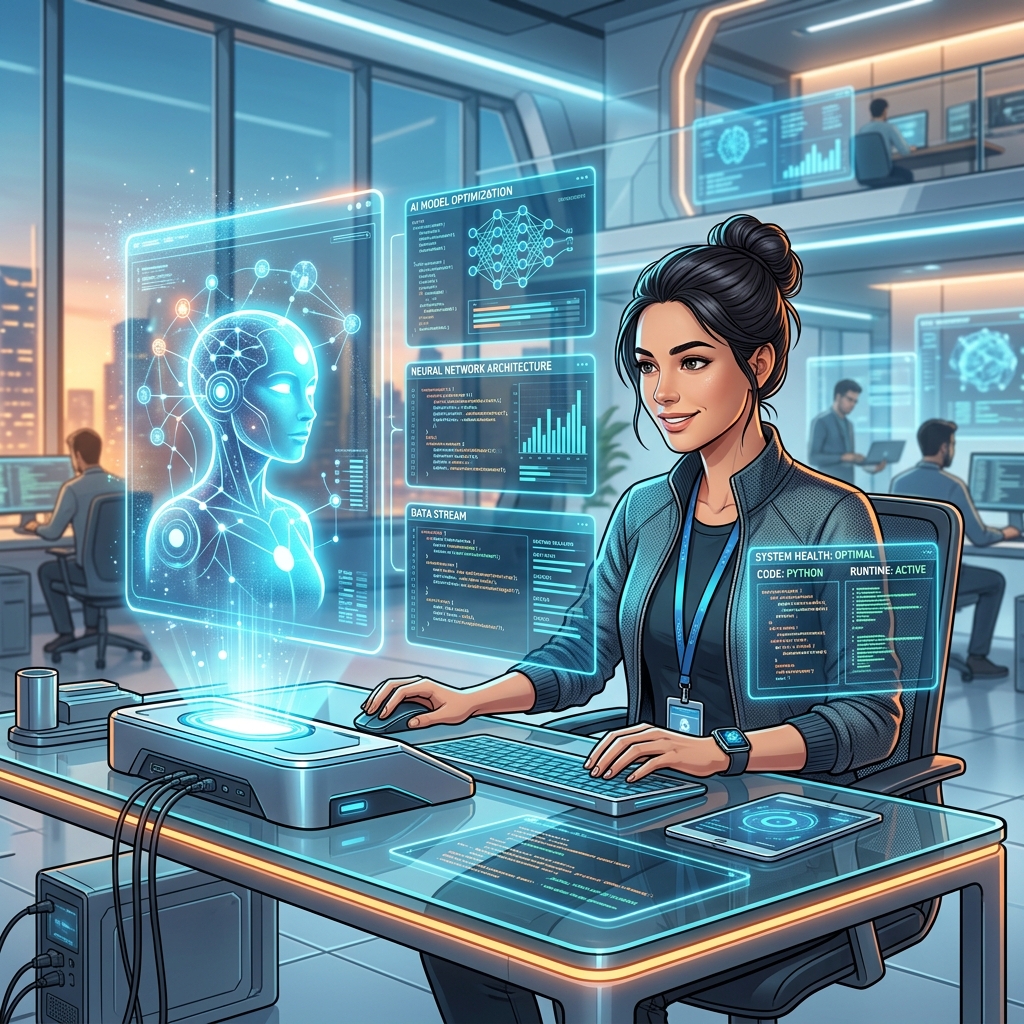
Yes, but with an enormous asterisk. An artificial intelligence system is better able to process large amounts of information than an average human recruiter would be capable. Silicon brain is able to objectively assess an individual's technical abilities; however, assessing their interpersonal relationships as well as fitting them culturally would be much more difficult work with this "brain".
1. Deep data analysis is powerful.
Historically, the ATS (Applicant Tracking System) was just a dumb keyword scanner. A person with "python" written about him/her was good enough for me. If a candidate had the word "Python" on their resume, they passed. The next gen hiring bots aren't keyword oriented, its context matters a lot.
A sophisticated artificial intelligence algorithm will be able to read an entire github record of your programming expert within just several minutes. They could assess whether it is clean as a piece of software; what style do you prefer for writing your PRs (pull request). A year's worth is enough for an article writer who wants to know about their writing style, word choice density as well as reader interaction rates. On that account, artificial intelligence can find out who will work for you more effectively as an expert programmer compared to any other person whatsoever.
2. Bias vs algorithmic bias.
Amongst other things, one great promise that artificial intelligence brings to hiring processes are no biases from humans at all. An effective artificial intelligence system isn't aware of an individual's sex, race, birth year etc. nor does it consider their looks at all. It is judged only by facts and figures.
But artificial intelligence learns from past information. A male-dominated firm with an Ivy league background could be trained by an inefficient artificial intelligence algorithm to believe they are "the best" when it comes time for hiring new employees; thus rejecting other candidates as well. AI would just return 'the best' person who is being forced by programmers of humans for fairness & efficiency rather than past experience/biases.
3. The intangibles where AI fails.
AI could definitely tell if a person was better at coding and/or had more revenue than others but they are unable to assess those non-cognitive factors like personality traits etc. What is an effective way for someone with being tactless at work? What is their reaction if they fail on time 11th? Do they have the emotional intelligence (EQ) to inspire a burnt out team?
They're very subjective, hard for us humans to measure with data sets. Generative AI could do behavior interview simulation as well measure micromanagement of voice; however, quantifying authenticity/fit with culture would be exceptional for humans only.
4. The hybrid future of hiring.
Finally, artificial intelligence won't take over from a human recruitment manager but rather an existing one. Nearby, there is going to happen something like this – an artificial intelligence program would have its job at identifying just 1 percent out from thousands that are technically competent. The system would take care of procurement, quality review as well as identity verification on its own behalf.
In the near future, an AI system will be tasked with finding the absolute top 1% of technically qualified candidates out of a pool of thousands. It will handle the sourcing, the technical screening, and the background validation autonomously. However, the final decision will always require a human touch. A human leader will take that AI-curated shortlist of elite candidates, take them to coffee, have a real conversation, and decide who they actually want to spend 40 hours a week with.
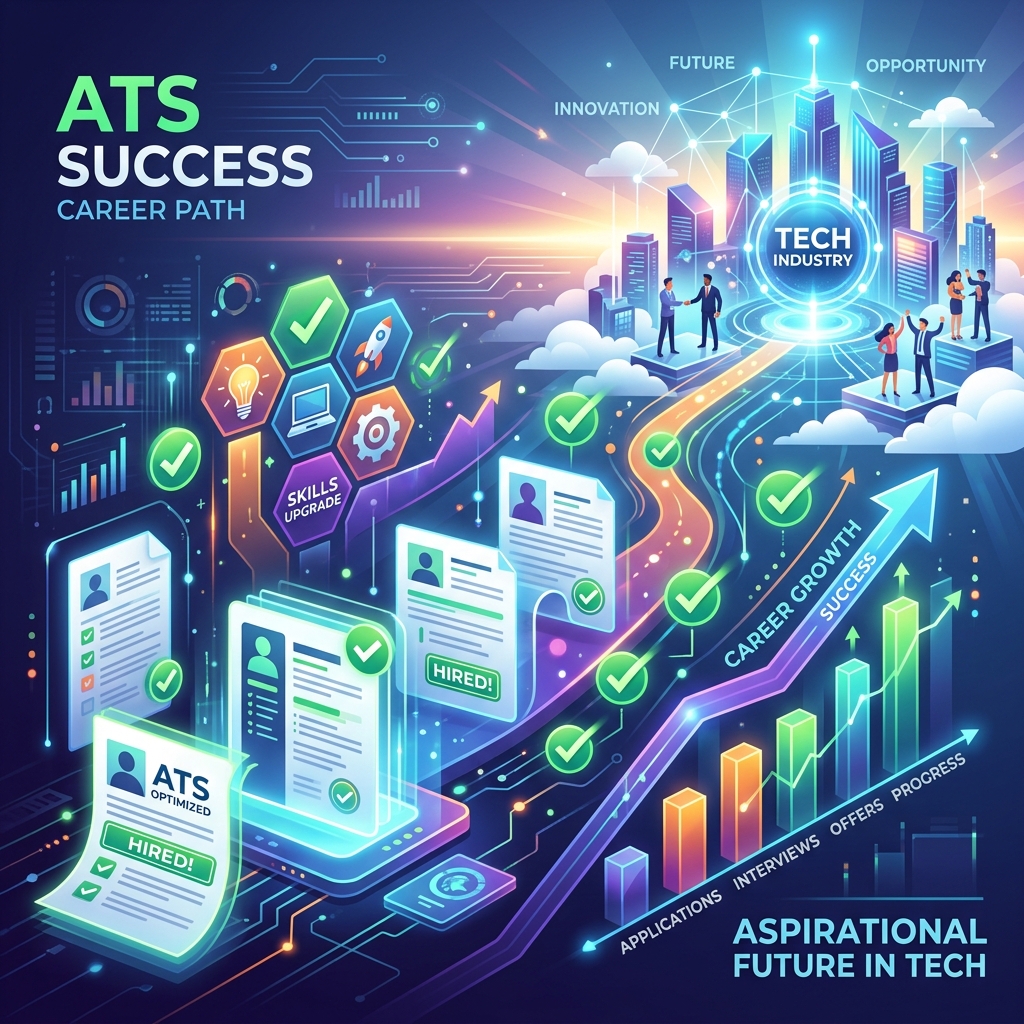
To succeed in this future, candidates must optimize their digital profiles for the AI gatekeeper, while reserving their emotional intelligence and charm for the final human boss.
Beat the AI Gatekeeper
Before you can impress the human boss, you must pass the AI's technical screening. Build a resume designed specifically for AI analysis.
Optimize Your Resume Now