Notes on Resume Examples: Sifting for Authenticity
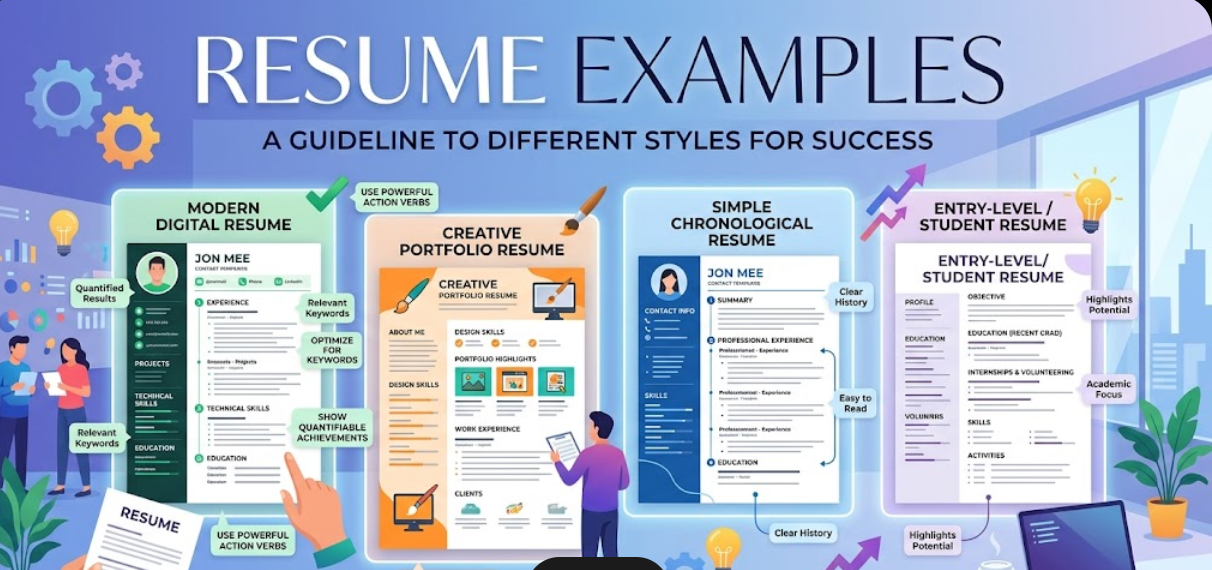
A recruiter's honest notes on why copy-pasted online templates trigger immediate subconscious distrust, and the visual cues that separate real work from canned text.
You sit in front of a blue-light screen at 9 AM, scrolling through a couple hundred files. By profile thirty, your eyes are dry and your mind goes blank. Sourcing under that kind of fatigue isn't reading—it's just scanning for a visual rhythm. But then you hit a wall. When forty files in a row use the exact same template—with the identical thin sidebars, identical round skill meters, and the same tight margins—your brain just shuts down. It's a weird kind of memory erase. The achievements blur together. You close the tab and realize you can't remember a single project or title from the last twenty people. They just dissolved into the layout.
There’s this instinctual thing that happens during the scan where you start imagining what it would actually feel like to stand in a hallway and solve a bug with this person. It’s an emotional reaction to their writing pace. Some files feel stable. They leave actual blank space, choosing to describe three big things and leaving the rest out. That restraint feels mature; it makes you trust them. But other files feel frantic and loud. They crowd every inch with bold phrases and technical abbreviations, like they're trying to win an argument by talking as fast as possible. That visual aggression makes you pull back. You subconsciously think, *if their resume is this exhausting, what is it like to manage them in a slack channel?*
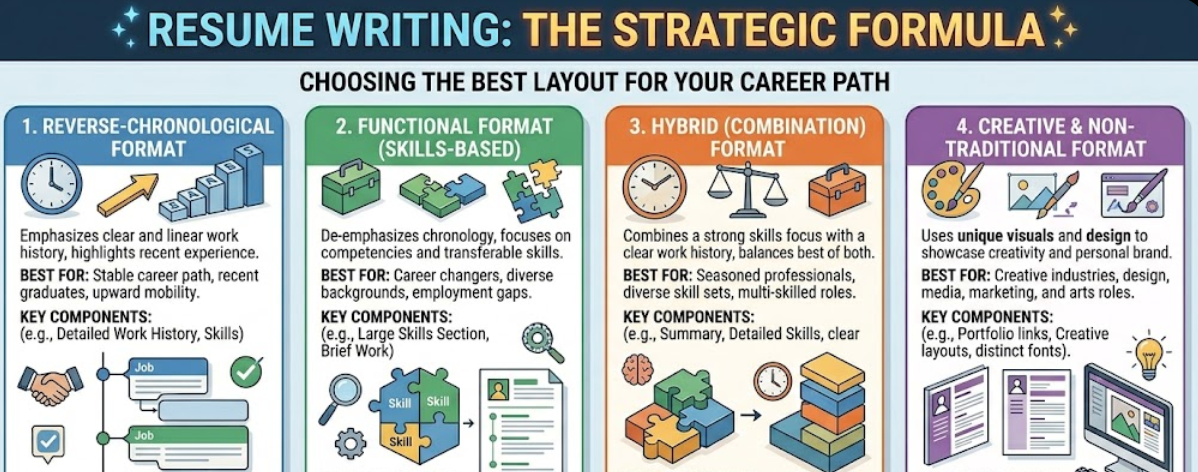
I've also noticed a strong skepticism when a file looks too slick. If every bullet point reads like a polished marketing announcement with perfectly symmetrical metrics (*'drove exactly 24% growth in two quarters'*), my brain rejects it. Real work is messy. It’s about dealing with legacy code, fixing a bad migration at midnight, or arguing with a product manager. When a resume reads like a cinematic thought-leadership piece, it feels fake. I’d much rather read a quiet, imperfect description of a real database crash and how they fixed it. Overcompensating with fifty skills or long, defensive paragraphs explaining a simple role just triggers suspicion.
The files you actually remember at the end of the day aren't the hyper-optimized ones. They’re the ones that sound like a real person wrote them. You remember the candidate who quietly described how they fought with a difficult API integration or kept a legacy queue from breaking. Sourcing is just a quick safety assessment by tired people who want to close their laptops. The candidates who get interviews are the ones who keep the noise low and sound like real human beings who sat in a chair and did the work.
When the screen glare finally fades, the resumes that actually survive are the ones that didn't try to play a game—they just respected the reader's energy and spoke with an honest, believable rhythm.