How to Write a Cover Letter That Gets Read
Stop using generic templates, write with personality, and prove your direct business value to the hiring team.
Why the Opening Matters
The difference between a standard letter and an active business conversation
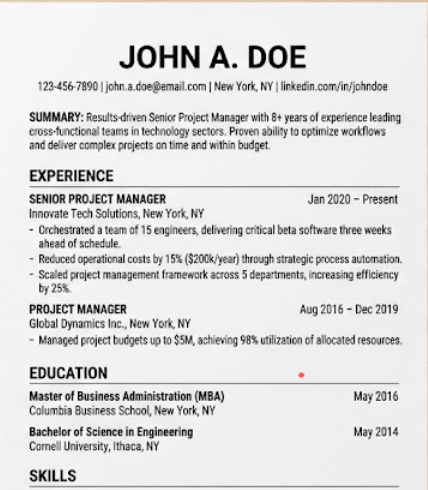
If there is one document that candidates routinely treat as an afterthought, it is the cover letter.
Let me share a recruiter reality: most cover letters are passed over because they read like standard templates written by a bored robot. When a hiring manager opens a file starting with "I am writing to express my interest," they already know you sent the exact same document to forty other companies. We scroll through applications looking for genuine research, targeted goals, and an organic voice that stands out. If your letter is just a generic re-hash of your work history, it will be ignored early in the review process.
A successful cover letter is not a biography; it is a selective highlights reel that explains the 'why' behind your most significant professional wins. It exists to solve a specific problem for the business, showing how your unique expertise matches their immediate goals. By utilizing this space to show clear understanding of their industry shifts or product launches, you prove you are already thinking like a member of their team. Focus on highlighting key achievements and skills under each phase, and ensure you use clear, direct language that helps explain your contributions. Clearly specifying your type of work engagement—such as full-time, contract, freelance, or remote—helps build professional trust.
By framing your experience around the company's direct needs, you turn a passive application into a clear business conversation.
Why Cover Letters Fail
Understanding the most common structural mistakes that send your document straight to the discard folder.
Form Letters
Recruiters spot copy-pasted templates instantly. When your document lacks specific company names, references to target achievements, or organic structural details, it signals a lack of genuine initiative.
The "Me" Focus
Explaining what you hope to gain from the company (career growth, learning, professional mentorship) is a mistake. Hiring teams want to know what value you can deliver to them, not the other way around.
Zero Research
Failing to study the target company's current toolsets, competitor challenges, or general industry positioning results in thin, unconvincing paragraphs that offer no practical value to the hiring manager.
When a Letter is Essential
While some automated portals list the document as optional, treat it as a critical test of professional initiative.
If you are applying to highly competitive roles, small-to-medium startups, or trying to pivot careers, the cover letter is your primary tie-breaker. It is the only space on your application where you can explicitly connect the dots between unrelated past jobs and the current role. A resume shows what you have done in the past, but the cover letter is where you frame your career transition as a clear benefit. For small, agile engineering or marketing teams, the hiring manager reviews the letter to verify your personality, work ethic, and working style compatibility before scheduling a technical screening.
When a job posting has an optional slot for additional documents, leaving it blank signals that you are doing the bare minimum. A focused, well-spaced page shows that you took the time to understand their corporate mission and are genuinely excited about their target milestones. This is particularly important for remote positions, where clear written communication is a highly valued core competency. By ignoring the opportunity to introduce yourself, you lose your most effective chance to stand out from hundreds of candidate profiles. A tailored layout with clear white space and short paragraphs ensures your proactive effort gets noticed quickly.
A focused letter is your only opportunity to establish professional character before a recruiter decides whether to schedule a call.
How to Write Like a Human
Remove stiff legalistic jargon and write as if you are having a professional conversation with a colleague.
Stop starting your applications with outdated, generic greetings like "To Whom It May Concern" or "Dear Sir or Madam." Take five minutes to search LinkedIn and identify the lead recruiter or department head for that specific division. If you cannot find a name, address it to the "Hiring Team" or "Engineering Leadership Team" to keep it modern and professional.
Start your letter with a clear achievement instead of a slow introduction. If you decreased page load times, reduced support tickets, or built a tool that saved hours of manual work, lead with that specific win in the first paragraph. This makes it easy for the reader to understand your value early in the review process, proving you focus on measurable business outcomes. Keep your tone confident but helpful, ensuring that your achievements speak to how you can support their upcoming goals. Focusing your message around these key milestones establishes professional trust and makes reading fast.
By ditching boilerplate templates and focusing on direct outcomes, you instantly separate yourself from candidates using standard formats.
A Simple Structure that Works
A simple structural outline to keep your writing clear and easy to read.
1. The Opening Hook
Explain exactly why you want to support their specific team. Reference a recent corporate win, tool release, or industry shift that you observed.
2. The Proof Win
Focus on a specific problem you solved in the past. Highlight the tools, active methods, and direct outcomes using metrics (%, $).
3. The Connection
Explain how your technical background directly supports their upcoming roadmap, proving you can contribute to their team immediately.
4. Proactive Closing
Close with a polite, forward-looking statement offering to discuss specific technical solutions or frameworks in detail.
Examples of Clear Openings
A direct comparison of generic opening phrases with personalized, focused alternatives.
| Weak Candidate Hook (Avoid) | Top Candidate Hook (Do This) |
|---|---|
| "I am writing to express my interest in the software engineer role at your company. I am a hard worker eager to learn." | "I noticed your engineering team is scaling to support a large migration to serverless architecture. Having spent the last two years optimizing microservices at my previous startup, I believe I can support this transition." |
| "I have over five years of experience in digital marketing management and am looking for my next opportunity." | "By overhauling our organic content funnel and targeting long-tail intent, I drove a substantial increase in sign-ups over an 18-month period, and I plan to apply these organic tactics to your product roadmap." |
Common Formatting Mistakes
Recruiters notice spelling and visual spacing errors immediately. Ensure your document is readable.
Stiff, Academic Phrasing
Writing in a highly formal legalistic register makes you sound like a textbook instead of a collaborative colleague. Keep your vocabulary direct, modern, and professional to ensure your page remains readable.
The Multi-Page Spillover
Letting a cover letter spill onto a second page is a major mistake. Unless you are applying for executive tenure, respect the reader's schedule by keeping the entire text strictly limited to one well-spaced page.
Repeating Your Resume
Re-listing your chronological work history is a waste of page space. Use the letter to explain the background story behind your major wins, rather than copying your resume bullet points.
Describing Salary Demands
Listing your target compensation or remote working requirements in a cover letter is a mistake. It limits your negotiation leverage before you have had a chance to present your technical value during interviews.
Frequently Answered
Calm recruiter insights answering the most common questions regarding cover letters.
Should I use AI to write my cover letter?
Use AI to generate outlines, structure ideas, or suggest active verbs, but never copy-paste unedited AI output. Recruiters quickly recognize generic phrasing and repetitive structures. You must customize the text with your own voice and specific, verifiable facts.
What if I don't have enough experience?
Focus on your specific tool competencies and technical training. For freshers, it is highly recommended to write in detail about your targeted job role—focusing heavily on your core knowledge, tool skills, specific tech stack, and practical tool experience. Give prominent layout space to your industry-recognized certifications, hands-on internships, and industrial training courses. This proves you have day-one capability without stretching your page with academic filler.
Is a two-page cover letter ever okay?
Almost never. Unless you are applying for executive-level academic tenure or have several decades of specialized leadership history, keep your writing limited to a single page. Value the reader's timeline by maintaining generous margins and visual white space.
Should I mention a career gap?
Yes, but keep it brief and outcome-focused without apologizing. Explain how you utilized that time to target certifications, complete personal coding challenges, or upskill in cloud technologies, proving you remained actively engaged.
What is the best font to use?
Use clean, professional, sans-serif fonts such as Inter, Calibri, or Roboto. Ensure that the typography and visual margins on your cover letter match your resume perfectly, forming a cohesive application bundle.